

Innovative Radon Reduction Systems for Modern Homes

Radon is a naturally occurring radioactive gas that can seep into homes through cracks and openings in the foundation. It is colorless, odorless, and tasteless, making it impossible to detect without specialized equipment. Long-term exposure to radon is a leading cause of lung cancer, second only to smoking. For homeowners, especially in regions with higher radon levels, investing in effective radon reduction systems is essential to ensure a safe living environment.
Understanding Radon Reduction Systems
Radon reduction systems are designed to lower radon gas concentrations inside homes, protecting occupants from harmful exposure. These systems work by preventing radon from entering the home or by venting it safely outside. Modern radon reduction systems have evolved significantly, incorporating innovative technologies that improve efficiency and ease of installation.
There are several types of radon reduction systems commonly used in homes:
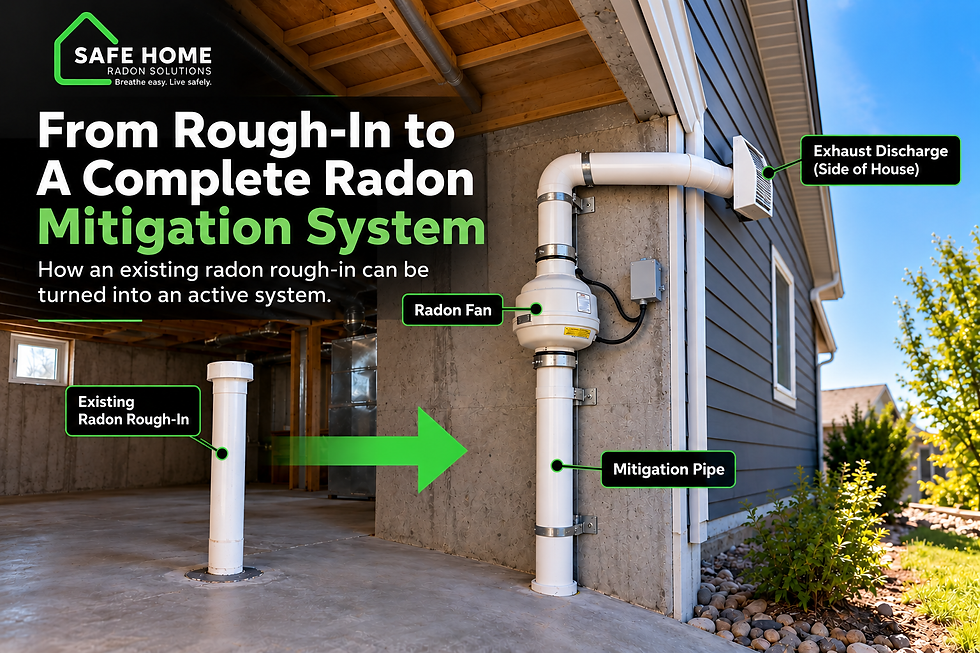
Sub-slab depressurization: This is the most common and effective method. It involves installing a vent pipe and fan system beneath the basement slab to draw radon gas from under the home and release it outdoors.
Drain tile suction: Utilizes existing drainage systems to vent radon gas.
Sealing cracks and openings: While not a standalone solution, sealing helps reduce radon entry points.
Crawl space ventilation: In homes with crawl spaces, increasing ventilation can reduce radon levels.
Innovations in these systems include quieter fans, energy-efficient components, and smart monitoring devices that alert homeowners to system performance issues.

Choosing the Right Radon Reduction Systems for Your Home
Selecting the appropriate radon reduction system depends on several factors, including the home's design, foundation type, and radon levels detected. A professional radon test is the first step to determine the severity of radon presence.
For homes with basements, sub-slab depressurization is often the best choice. This system requires drilling a small hole in the concrete slab and installing a pipe connected to a fan that continuously pulls radon from beneath the home. The fan then vents the gas safely above the roofline, preventing it from re-entering.
In homes with crawl spaces, installing a ventilation system that increases airflow can significantly reduce radon accumulation. This may involve installing a vapor barrier on the ground and using fans to exhaust radon-laden air.
When selecting a system, consider:
Effectiveness: Will the system reduce radon to safe levels (below 200 Bq/m³ as recommended in Canada)?
Installation complexity: Some systems require more invasive installation.
Maintenance needs: Fans and monitoring devices may require periodic checks.
Energy efficiency: Look for systems with low power consumption.
Consulting with a certified radon mitigation professional ensures the system is tailored to your home's specific needs.
Can I Remediate Radon Myself?
Many homeowners wonder if radon remediation is a DIY project. While some minor steps like sealing cracks and improving ventilation can be done independently, installing a full radon reduction system is best left to professionals.
Here’s why:
Technical expertise: Proper installation requires knowledge of home construction and radon behavior.
Safety concerns: Incorrect installation can lead to ineffective radon removal or even increased radon levels.
Building codes and permits: Some regions require permits and inspections for radon mitigation work.
System design: Professionals use diagnostic tools to design the most effective system for your home.
If you choose to attempt minor remediation yourself, focus on:
Sealing visible cracks and gaps in floors and walls.
Improving basement ventilation by opening windows or using fans.
Regularly testing radon levels to monitor changes.
However, for comprehensive and lasting radon reduction, hiring a certified expert is the safest and most reliable option.

Benefits of Innovative Radon Mitigation Systems
Modern radon mitigation systems offer several advantages over older methods:
Improved efficiency: New fan designs and venting techniques reduce radon levels more effectively.
Quieter operation: Advances in fan technology mean less noise disruption.
Energy savings: Energy-efficient fans reduce electricity costs.
Smart monitoring: Some systems include sensors that provide real-time radon level data and alert homeowners to any issues.
Aesthetic integration: Newer systems are designed to blend with home exteriors, minimizing visual impact.
These benefits make it easier for homeowners to maintain a safe indoor environment without sacrificing comfort or aesthetics.
Maintaining Your Radon Reduction System
Once installed, maintaining your radon reduction system is crucial to ensure ongoing protection. Here are some practical tips:
Regular testing: Conduct radon tests every 2-5 years or after major home renovations.
Fan inspection: Check the fan operation periodically; a non-functioning fan means no radon removal.
Monitor system indicators: If your system has a manometer or digital monitor, watch for changes that indicate reduced suction.
Seal new cracks: Over time, new cracks may appear; seal them promptly.
Professional inspection: Schedule a professional check-up every few years to assess system performance.
By following these steps, you can ensure your home remains protected from radon exposure.
Taking Action for a Safer Home Environment
Radon exposure is a serious health risk, but with the right knowledge and tools, it can be effectively managed. Investing in innovative radon mitigation systems is a proactive step toward safeguarding your family’s health.
If you suspect elevated radon levels in your home, start with a professional radon test. Based on the results, consult with a certified radon mitigation expert to design and install a system tailored to your home’s needs. Remember, early detection and intervention are key to preventing long-term health issues.
By embracing modern radon reduction technologies, you can enjoy peace of mind knowing your home is a safe haven from this invisible threat.


Comments