

Essential Home Radon Test Steps for Every Homeowner

Radon is a naturally occurring radioactive gas that can seep into homes through cracks and openings in the foundation. It is colorless, odorless, and tasteless, making it impossible to detect without proper testing. Prolonged exposure to radon is a leading cause of lung cancer among non-smokers, which makes it crucial for homeowners to test their homes regularly. This guide will walk you through the essential home radon test steps to ensure your living environment is safe.
Understanding Home Radon Test Steps
Performing a radon test in your home is a straightforward process, but it requires careful attention to detail to get accurate results. Here are the key steps to follow:
Choose the Right Test Kit
There are two main types of radon test kits: short-term and long-term. Short-term tests last from 2 to 7 days and provide quick results, while long-term tests last more than 90 days and offer a more accurate average radon level. For initial screening, a short-term test is usually sufficient.
Select the Testing Location
The test should be placed in the lowest lived-in level of your home, such as the basement or ground floor. Avoid kitchens, bathrooms, and laundry rooms because humidity and ventilation can affect the results.
Prepare the Testing Area
Close all windows and doors at least 12 hours before starting the test and keep them closed during the testing period, except for normal entry and exit. Turn off fans, air conditioners, and heating systems that bring in outside air.
Place the Test Kit Properly
Position the test kit at least 20 cm (8 inches) above the floor and away from drafts, high humidity, and direct sunlight. Follow the manufacturer’s instructions carefully.
Conduct the Test
Leave the test kit undisturbed for the recommended duration. Avoid moving or tampering with it during this time.
Send the Kit for Analysis
After the testing period, seal the kit as instructed and send it to the designated laboratory for analysis. Most kits include prepaid mailing envelopes.
Review the Results
Once you receive the results, compare the radon levels to the Canadian guideline of 200 becquerels per cubic meter (Bq/m³). If the levels are above this, consider taking mitigation steps.

What are signs of radon in your house?
Radon is invisible and does not produce any immediate symptoms, so there are no direct signs of its presence in your home. However, some indirect indicators might raise suspicion:
Unexplained health issues: Persistent respiratory problems or increased cases of lung cancer in the household could be linked to radon exposure.
Geographical risk: Homes built on soil rich in uranium or in areas known for high radon levels are at greater risk.
Foundation cracks: Visible cracks or gaps in your foundation, walls, or floors can allow radon to enter.
Because radon cannot be detected by sight or smell, the only reliable way to know if your home has elevated radon levels is through proper testing.
How to Interpret Radon Test Results
Understanding your radon test results is crucial for deciding the next steps:
Below 100 Bq/m³: This level is considered low risk. No immediate action is necessary, but periodic testing every few years is recommended.
Between 100 and 200 Bq/m³: This is a moderate level. Consider retesting or consulting a radon mitigation professional.
Above 200 Bq/m³: This level exceeds the Canadian guideline and requires prompt action to reduce radon levels.
If your test results indicate high radon levels, you should contact a certified radon mitigation specialist to evaluate your home and recommend solutions such as improved ventilation or sealing entry points.
Tips for Accurate Home Radon Testing
To ensure your radon test results are reliable, keep these tips in mind:
Test during the right season: Radon levels tend to be higher in colder months when homes are sealed tightly. Testing in fall or winter provides a more accurate picture.
Avoid disturbances: Do not move or tamper with the test kit during the testing period.
Follow instructions: Each test kit comes with specific guidelines. Adhering to them is essential for valid results.
Retest regularly: Radon levels can fluctuate over time. Testing every 2 to 5 years helps maintain a safe home environment.
For those looking for professional guidance, home radon testing services can provide expert advice and reliable testing kits tailored to your needs.
Next Steps After Testing: Mitigation and Prevention
If your radon test reveals elevated levels, taking action is critical to protect your family’s health. Here are some common mitigation strategies:
Increase ventilation: Installing fans or ventilation systems can help reduce radon concentration by circulating fresh air.
Seal cracks and openings: Use caulking or sealants to close gaps in your foundation, walls, and floors where radon can enter.
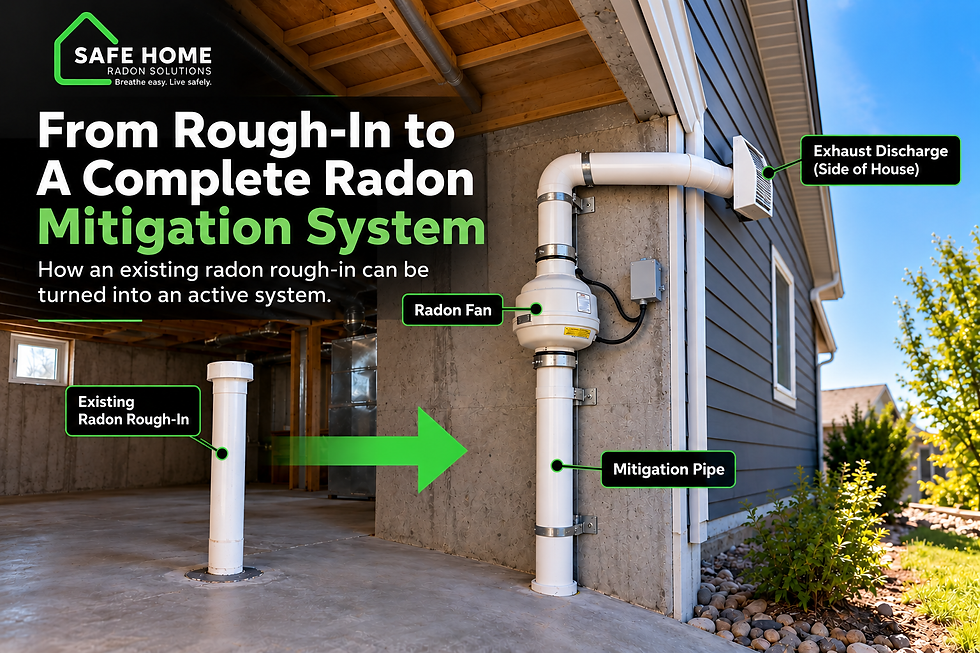
Install a radon mitigation system: A professional can install a sub-slab depressurization system that vents radon gas from beneath your home to the outside.
Regular maintenance: Keep your mitigation system in good working order with routine inspections.
Implementing these measures can significantly reduce radon levels and create a safer living environment.
By following these home radon test steps, you can identify and address radon risks effectively. Taking proactive measures ensures your home remains a safe haven for you and your loved ones. For more information and expert assistance, consider reaching out to trusted radon safety professionals.


Comments