

The Importance of Radon Testing Across Canadian Homes

Radon is a naturally occurring radioactive gas that can seep into homes through cracks and openings in the foundation. It is colorless, odorless, and tasteless, making it impossible to detect without proper testing. In Canada, radon exposure is a serious health concern, as it is the second leading cause of lung cancer after smoking. Understanding the importance of radon testing is crucial for homeowners to protect their families and ensure a safe living environment.
Why Radon Testing is Essential in Canadian Homes
Radon gas originates from the natural breakdown of uranium in soil, rock, and water. It can enter any building, regardless of age or construction type. The levels of radon vary widely across Canada, with some regions experiencing higher concentrations due to geological factors. Without testing, homeowners have no way of knowing if their indoor air contains dangerous levels of radon.
Testing is the only reliable method to detect radon. Health Canada recommends that all homes be tested for radon, especially in areas known for elevated radon levels. Early detection allows for timely mitigation, reducing the risk of long-term health problems.
Key reasons to prioritize radon testing include:
Radon is invisible and undetectable without specialized equipment.
Prolonged exposure increases lung cancer risk.
Testing is simple, affordable, and non-invasive.
Mitigation systems can effectively reduce radon levels.
Protects the health of all household members, including children and pets.

Radon detectors are essential tools for identifying radon levels in homes.
How to Conduct Radon Testing in Your Home
Radon testing can be done using short-term or long-term test kits. Short-term tests typically last 2 to 7 days and provide a quick snapshot of radon levels. Long-term tests, which last 3 to 12 months, offer a more accurate average radon concentration over time.
Steps to perform radon testing:
Purchase a radon test kit from a certified provider or order online.
Place the test kit in the lowest lived-in level of your home, such as the basement or main floor.
Avoid disturbing the kit during the testing period.
Send the kit to a laboratory for analysis after the test duration.
Review the results and determine if mitigation is necessary.
If the radon level exceeds 200 becquerels per cubic meter (Bq/m³), Health Canada advises taking action to reduce it. Professional radon mitigation specialists can install systems that vent radon gas safely outside.
For those interested in professional services, radon testing canada offers reliable testing and mitigation solutions tailored to Canadian homes.

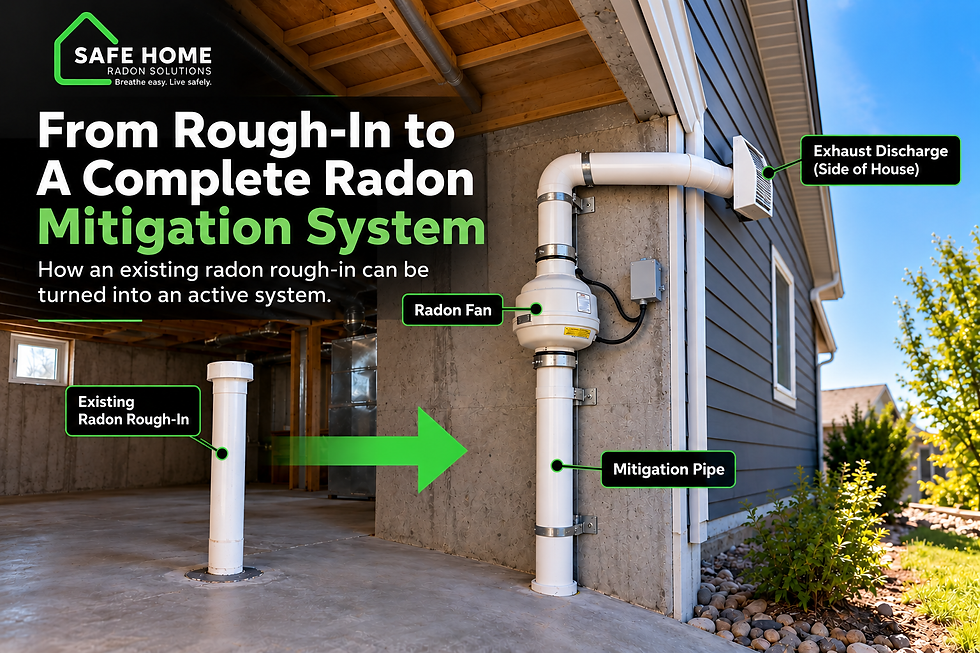
Radon mitigation systems help reduce dangerous radon levels in homes.
What are symptoms of radon in your home?
Radon itself does not cause immediate symptoms because it is a gas that affects health over long periods. However, exposure to high radon levels can lead to serious health issues, primarily lung cancer. Unfortunately, there are no direct symptoms that indicate radon presence in a home.
Health effects linked to radon exposure include:
Persistent coughing
Shortness of breath
Chest pain
Wheezing
Frequent respiratory infections
These symptoms often appear only after years of exposure and may be mistaken for other respiratory conditions. This is why radon testing is critical - it provides the only way to identify the risk before symptoms develop.
If you or your family members experience respiratory problems and live in an area known for radon, consider testing your home immediately.

Families should test their homes regularly to ensure safe air quality.
Practical Tips for Reducing Radon Levels in Your Home
If testing reveals elevated radon levels, there are several effective strategies to reduce it:
Seal cracks and openings in floors and walls to limit radon entry.
Improve ventilation in basements and crawl spaces.
Install a radon mitigation system, such as sub-slab depressurization, which vents radon outside.
Maintain your mitigation system regularly to ensure it functions properly.
Test your home again after mitigation to confirm radon levels have dropped.
Homeowners should consult with certified radon professionals to choose the best mitigation approach. DIY methods are generally not recommended due to the complexity of radon behavior and the need for specialized equipment.
The Long-Term Benefits of Regular Radon Testing
Regular radon testing is a proactive step that offers numerous benefits:
Protects your family’s health by minimizing lung cancer risk.
Increases home value by demonstrating a safe living environment.
Provides peace of mind knowing your indoor air quality is monitored.
Complies with real estate regulations when buying or selling a home.
Supports community health awareness by encouraging others to test.
Radon levels can change over time due to home renovations, changes in ventilation, or shifting soil conditions. Testing every 2 to 5 years is recommended to ensure continued safety.
By prioritizing radon testing, Canadian homeowners take control of their indoor environment and contribute to a healthier future.
Radon testing is a simple yet vital process that every Canadian homeowner should undertake. It is the only way to detect this invisible threat and take action to protect your loved ones. Whether you live in a high-risk area or not, testing your home for radon is a smart investment in health and safety. Don’t wait for symptoms to appear - test your home today and breathe easier tomorrow.


Comments