

Radon Testing Methods Canada: What You Need to Know

Radon is a silent threat that can affect the safety of your home. It is a naturally occurring radioactive gas that comes from the breakdown of uranium in soil, rock, and water. Since radon is invisible and odorless, the only way to know if your home has elevated radon levels is through testing. If you live in Calgary or anywhere in Canada, understanding radon testing methods is essential to protect your family’s health.
Understanding Radon Testing Methods Canada
There are several ways to test for radon in your home, and choosing the right method depends on your situation. Radon testing methods Canada typically fall into two categories: short-term and long-term testing.
Short-term tests last from 2 to 7 days. They are quick and useful if you want immediate results. These tests are often used when selling or buying a home.
Long-term tests last more than 90 days, sometimes up to a year. They provide a more accurate picture of your home’s average radon levels over time.
Both types of tests use devices that measure radon gas concentration in the air. Common devices include charcoal canisters, alpha track detectors, and continuous radon monitors.
Short-term Testing Devices
Short-term tests are easy to use and affordable. You place the device in the lowest lived-in level of your home, such as the basement or main floor, and leave it undisturbed for the testing period. Afterward, you send the device to a lab for analysis or read the results if you use an electronic monitor.
Long-term Testing Devices
Long-term tests give a better understanding of radon exposure because radon levels can fluctuate daily and seasonally. These tests are ideal if you want to be sure about your home’s safety before making decisions about mitigation.

Is It Worth Getting a Radon Test?
You might wonder if testing your home for radon is really necessary. The answer is yes, especially if you live in Calgary or other parts of Canada where radon levels can be high.
Radon is the second leading cause of lung cancer after smoking. The risk increases with higher radon levels and longer exposure. Since radon is invisible, you cannot rely on your senses to detect it. Testing is the only way to know if your home is safe.
Even if your home was tested before, changes in the building structure, ventilation, or soil conditions can affect radon levels. Testing regularly ensures you stay informed and can take action if needed.
How to Perform Radon Testing in Your Home
Performing radon testing is straightforward, but following the right steps is important to get accurate results.
Choose the right test - Decide between short-term or long-term testing based on your needs.
Select the testing location - Place the test device in the lowest level of your home where you spend time.
Follow instructions carefully - Avoid moving the device or disturbing it during the test.
Keep windows and doors closed - Maintain normal living conditions but keep openings closed as much as possible during the test.
Send the test for analysis - If using a lab-based test, mail the device promptly after the testing period.
Review the results - Understand the radon levels reported and what they mean for your home.
If your test results show radon levels at or above 200 becquerels per cubic meter (Bq/m³), Health Canada recommends taking action to reduce radon.

What to Do If Your Radon Levels Are High
If your radon test shows elevated levels, don’t panic. There are effective ways to reduce radon in your home.
Improve ventilation - Increasing air flow can help lower radon levels.
Seal cracks and openings - Prevent radon from entering by sealing gaps in floors and walls.
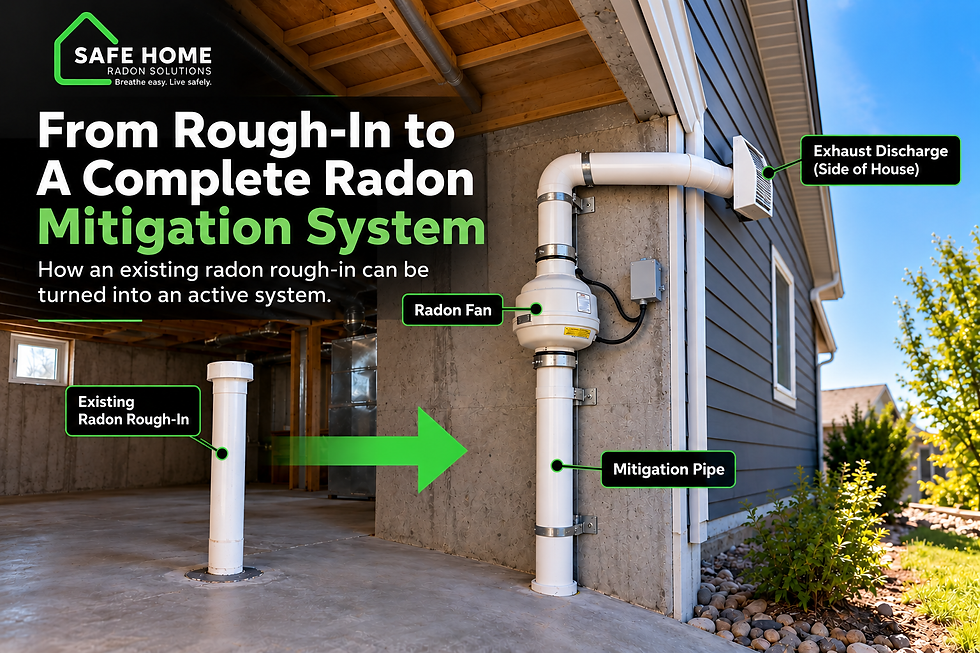
Install a radon mitigation system - A professional can install a system that vents radon gas from beneath your home to the outside.
It’s best to work with certified radon professionals who understand local conditions and building codes. They can assess your home and recommend the most effective solution.
Staying Safe and Informed About Radon
Radon testing is a simple step that can make a big difference in your family’s health. By understanding radon testing methods Canada offers, you can take control of your home’s safety.
If you want to learn more or get started with testing, consider reaching out to experts who specialize in radon safety. They can guide you through the process and help you protect your home from this invisible threat.
For more information on radon testing and safety, visit radon testing canada.
Taking action today means peace of mind tomorrow. Keep your home safe and breathe easier knowing you’ve done what’s needed to protect your loved ones.


Comments