

Safeguard Your Home with Radon Mitigation Systems

Radon is a silent threat lurking in many homes, often undetected until it reaches dangerous levels. This naturally occurring radioactive gas can seep into your living space through cracks in the foundation, posing serious health risks over time. Protecting your home with effective radon mitigation solutions is essential for maintaining a safe and healthy environment for you and your family.
Understanding Radon and Its Risks
Radon is a colorless, odorless gas produced by the breakdown of uranium in soil, rock, and water. It can enter homes through gaps in floors, walls, and foundations. Prolonged exposure to high radon levels increases the risk of lung cancer, making it the second leading cause of lung cancer after smoking.
The risk is often underestimated because radon is invisible and undetectable without proper testing. According to health authorities, any radon level above 200 becquerels per cubic meter (Bq/m³) in indoor air is considered high and requires action.
How Radon Enters Your Home
Cracks in concrete floors and walls
Construction joints
Gaps around service pipes
Cavities inside walls
The water supply (in rare cases)
Testing your home for radon is the first step in identifying if mitigation is necessary. Simple test kits are available, or you can hire professionals for more accurate assessments.

Effective Radon Mitigation Solutions for Your Home
Once radon levels are confirmed to be high, implementing radon mitigation solutions is crucial. These solutions reduce radon concentrations and prevent the gas from accumulating indoors.
Common Radon Mitigation Methods
Sub-slab Depressurization
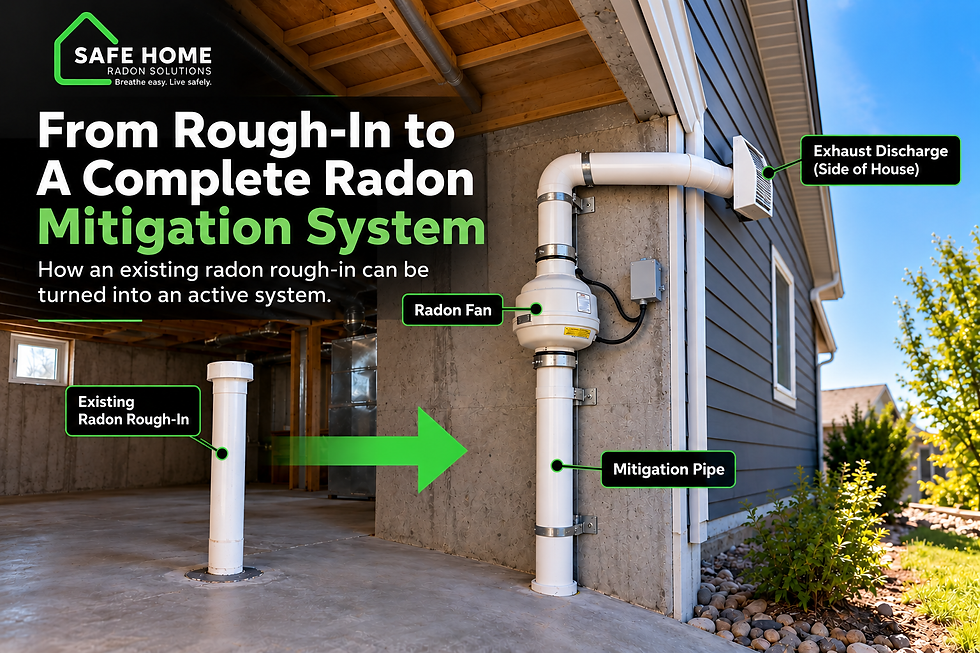
This is the most common and effective method. A pipe is inserted through the foundation slab into the soil beneath the house. A fan then draws the radon gas from under the home and vents it safely outside.
Sealing Cracks and Openings
Sealing entry points reduces radon infiltration but is usually combined with other methods for best results.
Improving Ventilation
Increasing air circulation in the basement or crawl space can help lower radon levels.
Crawl Space Ventilation
Installing vents or a vapor barrier in crawl spaces can reduce radon entry.
Waterborne Radon Mitigation
If radon is present in well water, treatment systems like aeration or granular activated carbon filters can remove it.
Choosing the Right System
The choice of mitigation depends on your home’s design, radon levels, and budget. Professional radon mitigation contractors can assess your home and recommend the most effective system.

Is a Radon Mitigation System Worth It?
Investing in a radon mitigation system is a wise decision for several reasons:
Health Protection: Reducing radon exposure significantly lowers the risk of lung cancer.
Property Value: Homes with certified radon mitigation systems are more attractive to buyers.
Peace of Mind: Knowing your home is safe from radon provides comfort and security.
Cost-Effective: The cost of installation is relatively low compared to the potential health costs of untreated radon exposure.
Many homeowners hesitate due to upfront costs, but the long-term benefits far outweigh the investment. Additionally, some regions offer rebates or financial assistance for radon mitigation.
How to Maintain Your Radon Mitigation System
After installation, regular maintenance ensures your system continues to function effectively.
Monitor Radon Levels: Test your home annually to confirm radon levels remain low.
Inspect Fans and Pipes: Check for any damage or blockages in the system components.
Listen for Fan Noise: A quiet or silent fan may indicate it is not working properly.
Hire Professionals for Service: Schedule periodic inspections by certified radon mitigation experts.
Proper maintenance extends the life of your system and keeps your home safe.
Taking Action: Protect Your Home Today
If you suspect radon in your home or have tested and found elevated levels, don’t delay. Installing radon mitigation systems is a proven way to reduce radon and protect your family’s health.
Start with a radon test kit or professional assessment.
Consult with certified radon mitigation contractors.
Choose the best mitigation method for your home.
Maintain your system regularly for ongoing protection.
By taking these steps, you ensure your home remains a safe haven free from the dangers of radon gas. Prioritize your family’s health and invest in radon mitigation solutions today.


Comments